12 Most Common Types of Injuries Physiotherapists Treat
Introduction
Ever wondered who to consult when you’re experiencing discomfort or an injury that disrupts your day-to-day life, whether sitting, walking, or even sleeping? Physiotherapists specialize in addressing these problems. They can treat a vast range of injuries, which makes them essential for improving mobility and alleviating pain. In this post, we’ll explore the 12 most common types of injuries physiotherapists treat, shedding light on each condition and offering insights into prevention and care.
12 Most Common Types of Injuries Physiotherapists Treat
From low-back pain to ankle sprains, these conditions are common across different age groups, lifestyles, and activity levels. Understanding the specifics of each injury and how physiotherapy addresses them can help you seek the appropriate care when needed. Here are the 12 most common types of injuries physiotherapists treat.
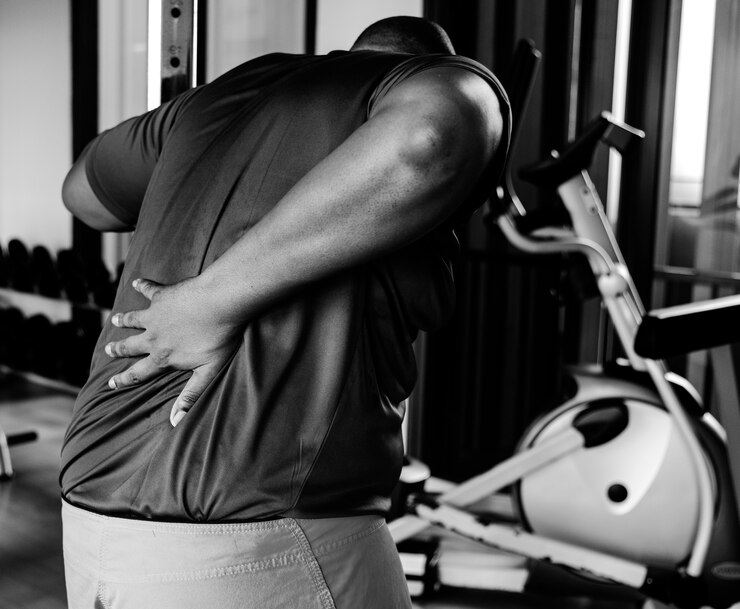
- Low-Back Pain
Low-back pain is arguably the most prevalent cause of discomfort and disability worldwide, affecting both athletes and the general population. This condition often results from poor posture, lack of physical activity, or heavy lifting. Surprisingly, around 90% of low-back pain is classified as non-specific, meaning it doesn’t arise from a clear-cut anatomical cause. It might also be linked to disc herniation or muscle strain.
Prevention Tips:
- Practice proper lifting techniques.
- Strengthen your core muscles.
- Avoid prolonged twisting or improper body mechanics under heavy load.
- Ankle Sprains
Ankle sprains occur when the ligaments that hold your bones together are overstretched or torn, often from awkward twisting or tripping. Athletes and active individuals are particularly prone to this injury, making it one of the most common reasons for physiotherapy consultations.
Prevention Tips:
- Engage in stretching and strengthening routines.
- Wear well-fitted, supportive shoes.
- Take precautions on uneven surfaces.
- Sciatica
Sciatica involves pain radiating down the thigh, leg, or buttocks due to irritation of the sciatic nerve. This condition can arise from herniated discs or tight muscles pressing on the nerve, causing discomfort that can interfere with everyday movement.
Prevention Tips:
- Strengthen the back and abdominal muscles.
- Maintain proper posture while sitting or lifting.
- Avoid sitting for prolonged periods without breaks.
- Knee Pain
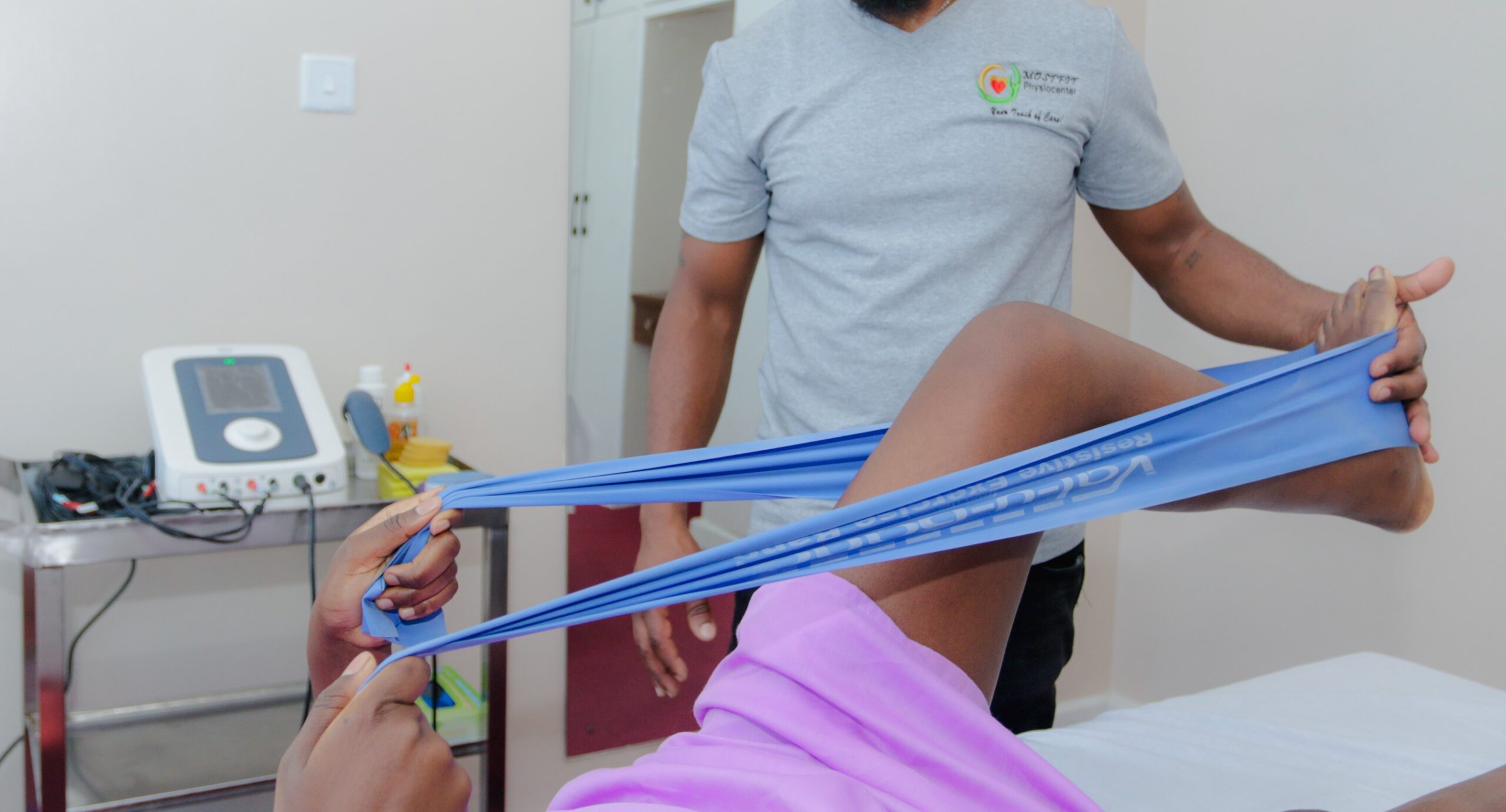
Knee pain can arise from wear and tear, sports injuries, or underlying medical conditions such as arthritis. This condition significantly impacts mobility and independence, making it critical to address through physiotherapy.
Prevention Tips:- Maintain a healthy weight.
- Strengthen leg and core muscles.
- Avoid overloading the knee joint during intense activities.
- Shoulder Pain
The shoulder is one of the most versatile joints, but its extensive range of motion makes it vulnerable to injury. Overhead repetitive movements in sports or sustained poor posture can lead to pain and limited motion.
Prevention Tips:- Strengthen rotator cuff and back muscles.
- Avoid sustained poor posture while sitting or working.
- Take breaks to stretch and reset posture during activities.
- Frozen Shoulder
Frozen shoulder, or adhesive capsulitis, is a condition where the shoulder joint becomes stiff and painful, often limiting its range of motion. Without proper physiotherapy intervention, the effects can persist for years.
Prevention Tips:- Regularly stretch shoulder joints after injury or surgery.
- Maintain a general active lifestyle.
- Manage conditions such as diabetes, which can contribute to frozen shoulder.
 Muscle Strains and Tendonitis
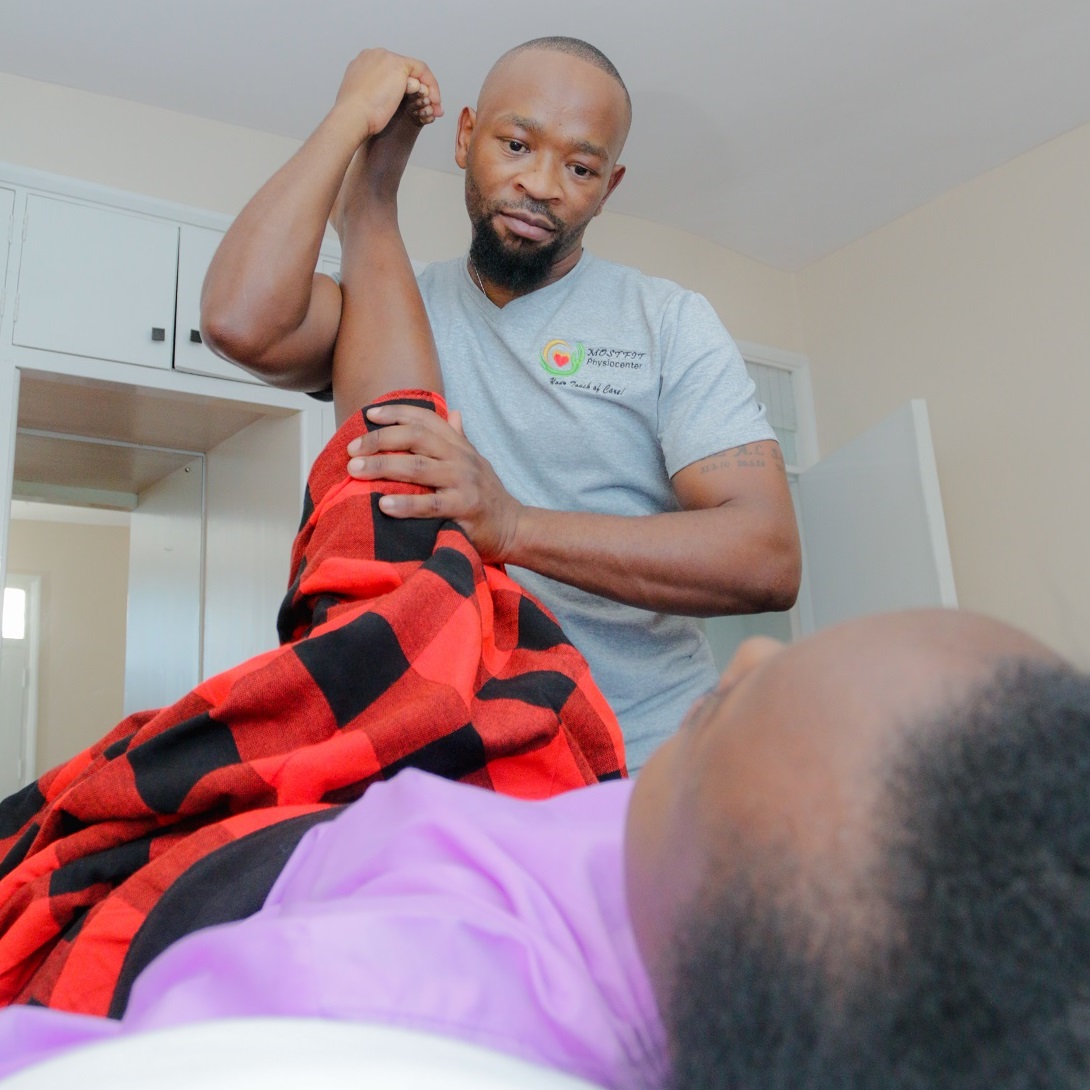
Muscle strains (pulled muscles) and tendonitis (inflamed tendons) are common injuries caused by trauma or overuse. These injuries frequently occur in areas like the shoulders, back, neck, or legs, impacting mobility and daily function.
Prevention Tips:- Warm up properly before exercise.
- Engage in strengthening and stretching routines.
- Avoid repetitive movements without breaks.
- Vestibular Disorders
Vestibular disorders stem from issues within the inner ear, disrupting balance and coordination. Symptoms often include dizziness, nausea, and trouble maintaining stability during activities.
Prevention Tips:- Although vestibular disorders aren’t entirely preventable, targeted physiotherapy can significantly improve balance and quality of life.
- Carpal Tunnel Syndrome
Carpal tunnel syndrome is a condition caused by compression of the median nerve within the wrist, leading to pain, numbness, and tingling in the hand and fingers. Prolonged repetitive wrist movements are a leading cause of this injury.
Prevention Tips:- Use ergonomic tools and keyboards.
- Perform regular wrist and hand stretches.
- Avoid repetitive tasks without breaks.
- Muscle Overuse Injuries
When muscles experience consistent force or strain, overuse injuries can result, leading to pain, swelling, and a decrease in strength and flexibility.
Prevention Tips:- Gradually increase exercise intensity.
- Rest and allow muscles to recover between activities.
- Focus on strengthening and stretching specific muscle groups.
- Temporomandibular Joint (TMJ) Disorders
TMJ disorders affect the jaw joint, leading to pain and difficulty moving the jaw. Poor posture, grinding teeth, and stress are often contributing factors.
Prevention Tips:- Practice good posture.
- Avoid chewing gum or other repetitive jaw movements.
- Eat soft foods to minimize stress on the joint.
- Rotator Cuff Injuries
Rotator cuff injuries occur due to overuse, degeneration, or trauma. Symptoms often include pain, weakness, and difficulty lifting the arm, making everyday tasks challenging.
Prevention Tips:- Strengthen shoulder muscles through targeted exercises.
- Avoid repetitive overhead movements.
- Ensure good posture during work or recreational activities.
 Muscle Strains and Tendonitis
 12 most common types of injuries physiotherapists treat: Conclusion
 12 most common types of injuries physiotherapists treat: Conclusion
The 12 most common types of injuries physiotherapists treat vary from person to person but have one thing in common: they can significantly impact your quality of life. Whether it’s low-back pain, sciatica, or carpal tunnel syndrome, seeking professional help early can make all the difference in recovery and prevention.
Contact us to book a session if you have any of the above 12 most common types of injuries physiotherapists treat
Are you experiencing one of the 12 most common types of injuries physiotherapists treat discussed in this post? You need to get in touch with us for attention. Don’t wait—contact us today and book a physiotherapy session. Our experienced professionals are equipped to help you regain mobility and live pain-free. We do this with world-class quality and attention. Our customer-centric approach makes us one of the most popular physiotherapy clinics in Nairobi.
Contact us to book your consultation:
Phone: +254 743 217 360
Email: info@mostfitphysiocenter.com
Clinic Location: inside Kenya Drapers compound on Ring Rd Parklands, Nairobi – 100 meters from “The Oval” on your way from Westlands.
References
Range of Physiotherapy Services we Offer: