Guidelines for Injury Prevention and Proper Conditioning to Minimize the Risk of Future Injuries
Injuries can be a major setback, whether you’re an athlete, a fitness enthusiast, or someone simply trying to stay active. They not only disrupt your routine but can also lead to long-term complications if not managed properly. The good news is that many injuries are preventable with the right approach to conditioning, training, and lifestyle habits. In this blog post, we’ll explore evidence-based guidelines for injury prevention and proper conditioning to minimize the risk of future injuries.
Why Injury Prevention Matters
Injuries, whether acute (like sprains or fractures) or chronic (like tendonitis or stress fractures), can significantly impact your quality of life. They often result from overuse, poor technique, inadequate conditioning, or lack of proper warm-up and cool-down routines. According to the World Health Organization (WHO), musculoskeletal injuries are among the leading causes of disability worldwide.
By following injury prevention guidelines, you can:
- Reduce the risk of common injuries.
- Improve overall physical performance.
- Enhance recovery and longevity in your chosen activities.
- Save time and money on medical treatments.
Key Guidelines for Injury Prevention and Proper Conditioning to Minimize the Risk of Future Injuries
Here are some evidence based guidelines for injury prevention and proper conditioning to help you stay active, healthy, and injury-free:

- Warm-Up and Cool-Down Properly
A proper warm-up prepares your body for physical activity by increasing blood flow to muscles, improving flexibility, and reducing stiffness. Similarly, cooling down helps your body transition back to a resting state and prevents muscle soreness.
- Warm-Up: Spend 5–10 minutes performing dynamic stretches (e.g., leg swings, arm circles) and light cardio (e.g., jogging, jumping jacks).
- Cool-Down: Incorporate static stretching (e.g., hamstring stretches, quad stretches) and deep breathing exercises to relax your muscles.
- Focus on Proper Technique
Poor form during exercise or sports is a leading cause of injuries. Whether you’re lifting weights, running, or playing a sport, proper technique is essential.
- Work with a coach, trainer, or physiotherapist to learn correct form.
- Avoid overloading your body with weights or intensity beyond your current capacity.
- Use mirrors or video recordings to self-assess your technique.
Also read: Why is Physiotherapy Treatment Important?
- Incorporate Strength Training
 Strength training builds muscle, improves joint stability, and enhances overall resilience. It’s a key component of injury prevention.
- Focus on compound movements like squats, deadlifts, and push-ups.
- Include exercises that target smaller stabilizing muscles (e.g., rotator cuff exercises for shoulder health).
- Gradually increase intensity and volume to avoid overtraining.
- Prioritize Flexibility and Mobility
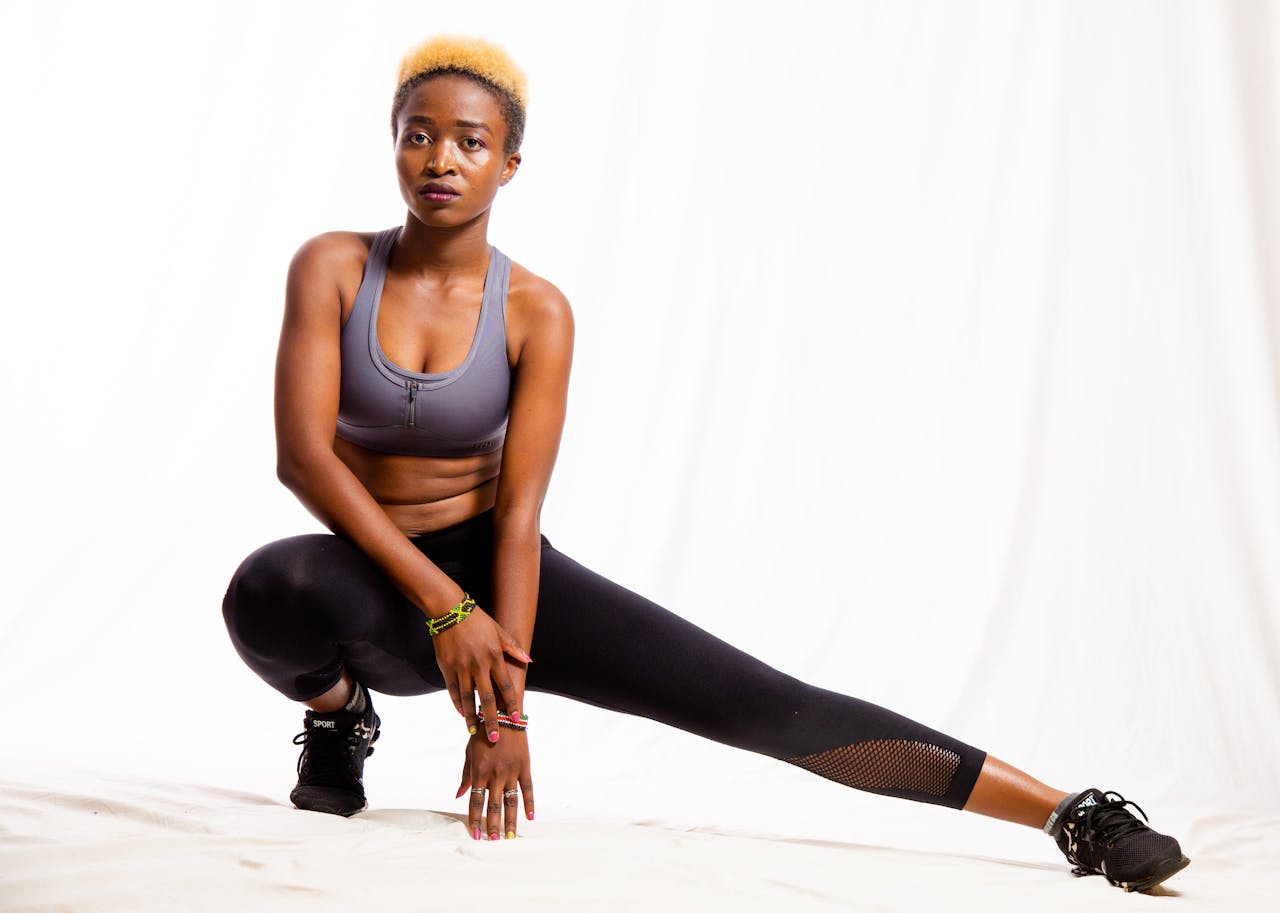
Tight muscles and limited joint mobility increase the risk of strains and sprains. Incorporate stretching and mobility exercises into your routine.
- Practice dynamic stretching before workouts and static stretching afterward.
- Use tools like foam rollers or resistance bands to improve mobility.
- Consider activities like yoga or Pilates to enhance flexibility.
- Listen to Your Body
Pushing through pain or ignoring warning signs can lead to serious injuries. Learn to differentiate between normal discomfort and pain that signals a problem.
- Rest if you feel persistent pain or fatigue.
- Seek medical advice for recurring or severe pain.
- Avoid overtraining by incorporating rest days into your routine.

- Wear Proper Gear and Equipment
Using the right gear can significantly reduce your risk of injury.
- Wear supportive footwear appropriate for your activity (e.g., running shoes for jogging, cleats for soccer).
- Use protective equipment like helmets, knee pads, or wrist guards for high-risk sports.
- Replace worn-out gear to maintain proper support and functionality.
- Follow a Balanced Training Program
Overtraining or focusing too much on one type of exercise can lead to imbalances and injuries. A well-rounded program includes:
- Cardiovascular training (e.g., running, cycling).
- Strength training (e.g., weightlifting, resistance bands).
- Flexibility and mobility work (e.g., stretching, yoga).
- Rest and recovery (e.g., active recovery, sleep).
Also read: What Are The Best Practices For Combining Exercise With Training?
- Stay Hydrated and Eat a Balanced Diet


Proper nutrition and hydration play a crucial role in injury prevention.
- Stay hydrated to maintain muscle function and joint lubrication.
- Consume a diet rich in protein, healthy fats, and complex carbs to support muscle repair and energy levels.
- Include foods high in calcium and vitamin D for bone health.
- Get Adequate Sleep
Sleep is essential for recovery and injury prevention. Poor sleep can impair muscle repair, coordination, and decision-making, increasing the risk of injuries.
- Aim for 7–9 hours of quality sleep per night.
- Establish a consistent sleep schedule.
- Create a sleep-friendly environment (e.g., dark, quiet, cool room).
- Gradually Increase Intensity
Sudden increases in training intensity or volume are a common cause of overuse injuries. Follow the 10% rule: increase your training load by no more than 10% per week.
- Gradually build up mileage for runners or weight for lifters.
- Incorporate deload weeks to allow your body to recover.
- Monitor your progress and adjust as needed.
Also read: How To Resume Exercising After A Long Term Injury
Guidelines for Injury Prevention and Proper Conditioning to Minimize the Risk of Future Injuries: Final Thoughts
Injury prevention is not just about avoiding accidents; it’s about creating a sustainable, healthy lifestyle that supports your physical activities. By following these guidelines—warming up properly, focusing on technique, incorporating strength and flexibility training, and listening to your body—you can significantly reduce your risk of injuries.
Remember, prevention is always better than cure. Stay proactive, stay informed, and prioritize your long-term health and well-being.
By following these guidelines and staying informed, you can enjoy your favorite activities while minimizing the risk of injuries. Stay safe, stay active, and take care of your body—it’s the only one you’ve got!
The Best Sports Therapy Clinic In Nairobi
Are you searching the best sports therapy clinic in Nairobi that offers professional sports therapy with a touch of care? Look no further than Mostfit Physiotherapy Center.
Contact us today to book your session and start your journey toward better health.
📍 Location: inside Kenya Drapers compound on Ring Rd Parklands, Nairobi – 100 meters from “The Oval” on your way from Westlands.
📞 Phone: +254 743 217 360
📧 Email: info@mostfitphysiocenter.com
🌐 Website: https://www.mostfitphysiocenter.com/
Choose Mostfit for the best physiotherapy services in Nairobi. Your health is our priority—let us help you live your best life!
References:
- World Health Organization – Musculoskeletal Conditions
- American Heart Association – Warm-Up and Cool-Down
- National Strength and Conditioning Association (NSCA)
- Mayo Clinic – Strength Training Basics
- American Council on Exercise (ACE) – Flexibility Training
- Cleveland Clinic – Overtraining Syndrome
- OrthoInfo – Sports Injury Prevention
- Harvard Health – Balanced Exercise Program
- Sleep Foundation – Sleep and Athletic Performance
- Runner’s World – 10% Rule